Are Handheld X Ray Units Safe for Dentistry?
A handheld X-ray unit can save steps in a busy operatory, make mobile care more practical, and keep the clinical team moving. But are handheld x ray units safe? Yes, when a properly cleared device is selected, used exactly as intended, and supported by a real radiation-safety program. The short answer is not a blank check. Safety depends on the unit, the operator, the technique, the environment, and compliance with the rules that apply in your state.
For a private practice, the right question is not whether handheld imaging is inherently safe or unsafe. It is whether your office can use it with the same discipline expected of any dental X-ray system. That means buying equipment from a legitimate dental source, training every authorized user, maintaining exposure records where required, and refusing shortcuts that create unnecessary exposure.
Are Handheld X Ray Units Safe When Used Correctly?
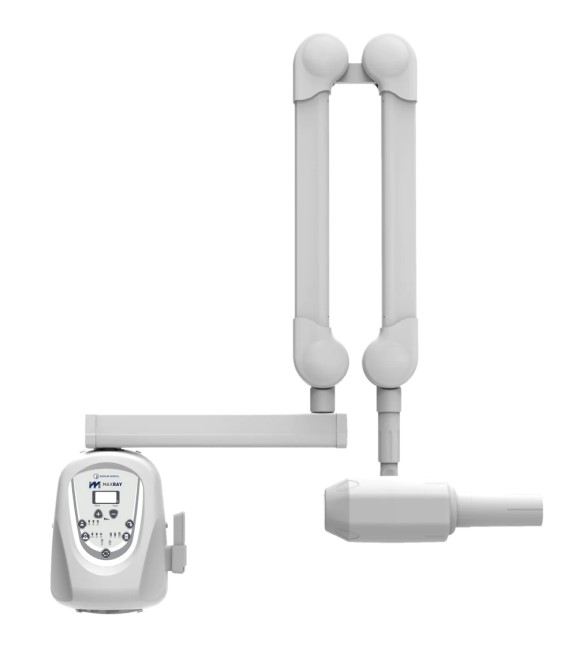
Modern dental handheld units are engineered to limit leakage radiation and reduce scatter exposure to the operator. Many models incorporate a backscatter shield and use tightly controlled exposure settings for intraoral imaging. When the device has the appropriate FDA clearance for its intended use, is maintained properly, and is operated according to the manufacturer instructions, exposure to the operator is designed to remain very low.
That does not mean radiation is absent. Every exposure produces primary radiation aimed at the patient and scatter radiation that can travel in other directions. The operator's job is to control what can be controlled: correct patient positioning, accurate receptor placement, the proper exposure setting, and consistent use of the unit's built-in protective features.
Handheld X-ray systems are often especially useful in practices where walking back and forth to a wall-mounted control is inefficient, in treatment rooms with limited layout options, and in mobile or special-needs care. They can also reduce retakes when the operator can stay close enough to manage positioning effectively. But convenience is only a benefit if it does not encourage careless technique. A fast image is not a bargain if it must be retaken.
What Makes a Handheld Unit Safe or Unsafe?
The equipment itself matters, but the system around it matters just as much. A well-made handheld unit used by trained staff can be an excellent clinical tool. A bargain device with unclear documentation, questionable service support, or no proven regulatory status is a risk no practice needs to take.
Device design and regulatory status
Start with a device that is cleared for dental use in the United States and sold through an established dental equipment supplier. Ask for the manufacturer, model information, intended use, warranty details, service process, and documentation your practice may need for state registration or inspection. Do not assume that a unit listed online is legal to use simply because it looks like other dental equipment.
A backscatter shield is a key operator-protection feature on many handheld systems. It should be installed correctly, kept in good condition, and never removed because it seems inconvenient. The shield does not replace proper positioning or training. It is one layer of protection, not permission to ignore the rest.
Battery condition and equipment maintenance also deserve attention. A damaged housing, loose shield, unreliable exposure switch, or unit that has been dropped repeatedly should be taken out of service until it is inspected. Buying from a source that can help with product support is worth more than saving a few dollars on an unknown import with no service path.
Technique and retake control
Most unnecessary radiation exposure in dentistry comes from retakes, not from a single properly performed image. Poor receptor placement, motion, incorrect horizontal angulation, and exposure settings that do not match the patient or sensor can all lead to repeat images.
Digital sensors and PSP systems help practices work efficiently, but they do not eliminate the need for sound technique. Use positioning devices, standardize exposure protocols, and make sure team members understand the difference between a diagnostic image and a merely acceptable one. A handheld unit should support a disciplined imaging workflow, not become an excuse to improvise.
Operator behavior and distance
Handheld units are designed to be held during exposure, so staff should follow the manufacturer-specified grip, orientation, and operating position. Keep hands and other body parts out of the path of the primary beam. Never bypass safety interlocks, modify the device, or use a damaged protective shield.
The operator should also be aware of who is nearby. Patients, staff, and visitors should not be positioned in the beam's path or unnecessarily close to the patient during exposure. If someone must assist a patient, such as in pediatric or special-needs situations, use your office's written radiation-safety procedures and the protective measures required by your state and facility policy.
Compliance Is Part of the Purchase, Not an Afterthought
Dental radiation rules are not identical in every state. Your state radiation-control program may have requirements for registration, inspections, operator qualifications, equipment testing, shielding evaluations, recordkeeping, or personnel monitoring. Local regulations and accreditation requirements can add another layer.
Before bringing a handheld unit into service, confirm what applies to your practice location. This is particularly important for startups, multi-location groups, and offices adding portable imaging for the first time. A unit may be capable and compliant as manufactured, while your office still needs to complete registration or adopt written procedures before use.
Your radiation-safety program should address who may operate the unit, how training is documented, how maintenance issues are reported, and what happens after a device is dropped or damaged. It should also cover image selection criteria so radiographs are prescribed based on clinical need rather than convenience.
Many practices use personnel dosimeters according to state requirements, local policy, or their radiation-safety consultant's recommendation. Whether badges are mandatory for your team depends on the jurisdiction and the nature of the work. The point is to make that decision from applicable rules and professional guidance, not from assumptions.
Handheld X-Ray Safety for Patients
For patients, the central principles remain justification and optimization. Take an image only when it is clinically indicated, and use the lowest exposure that produces the diagnostic information needed. This is the practical meaning of ALARA - as low as reasonably achievable.
Use patient protection according to current professional guidance, manufacturer instructions, and applicable state rules. Requirements and recommendations around protective garments can vary, so a practice should not rely on outdated habits or one-size-fits-all advice. What should never vary is careful collimation, correct exposure selection, stable receptor positioning, and avoiding repeat images.
Handheld devices do not change the need for a thoughtful imaging policy. They change where and how the operator works. A strong office still evaluates previous images, chooses the appropriate image type, and documents findings in the patient record.
What to Ask Before You Buy
A handheld X-ray unit is a capital purchase, but the lowest advertised price is not the full cost of ownership. The practice needs a unit that fits its workflow and can be supported after the sale. Before comparing models, confirm that your state permits the planned use and identify the registration or inspection steps that apply.
Then compare the features that protect both clinical quality and your investment: regulatory documentation, backscatter protection, exposure options, battery performance, ergonomics, warranty coverage, repair availability, and compatibility with your digital sensor or PSP workflow. A unit that feels awkward or slows down positioning may create more retakes, which defeats the purpose of investing in portable imaging.
Lion's Dental Supply & Equipment helps practices compare name-brand clinical equipment without paying inflated big-distributor pricing. The best value is not simply the cheapest handheld unit. It is the right unit, with clear documentation and dependable support, priced to protect your practice margin.
Train for Consistency, Not Just Compliance
The most effective safety step is a team that uses the same good process every time. Train staff when the unit is introduced, document that training, and refresh it when procedures change or a new team member joins. Include hands-on practice with patient and receptor positioning, not just a quick review of the manual.
Have staff report near misses and retake patterns without turning every discussion into blame. If one operatory produces repeated positioning errors, fix the workflow, lighting, chair position, or training gap. Small corrections protect patients, reduce staff exposure, and preserve valuable chair time.
A handheld X-ray unit can be a safe, efficient addition to a dental practice when it is purchased wisely and used with discipline. Choose proven equipment, follow your state's requirements, protect the built-in safeguards, and give your team the training to get the image right the first time.