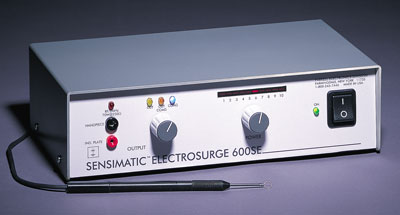
Best Electrosurgery Unit for Dentists
A weak electrosurgery unit slows procedures, chars tissue, and creates frustration nobody in a busy operatory has time for. If you are trying to find the best electrosurgery unit for dentists, the right answer is not just about brand recognition. It comes down to cutting precision, coagulation control, patient comfort, reliability, and whether the unit makes financial sense for your practice.
For private practices, every equipment decision has two jobs. It has to perform clinically, and it has to protect your margins. That is especially true with electrosurgery units, where buying too cheap can create day-to-day headaches, but overpaying through a large distributor can be just as painful. The smart buy is the unit that gives you dependable performance for the procedures you actually do, without loading your overhead with features you will never use.
What makes the best electrosurgery unit for dentists?
The best electrosurgery unit for dentists is the one that fits your case mix and your team’s workflow. A general practice doing routine crown lengthening, gingivectomy, tissue troughing, and minor soft tissue recontouring does not need the same setup as a periodontal or oral surgery-focused office. That sounds obvious, but plenty of practices still buy based on a sales pitch instead of actual clinical use.
Power consistency matters first. You want a unit that cuts cleanly and coagulates predictably, without dragging through tissue or generating excess heat. Good tissue response saves time and reduces the chance of rough margins, delayed healing, or a poor patient experience. In practical terms, that means stable output, intuitive settings, and electrodes that match the procedures on your schedule.
Control matters just as much as raw power. Some units are easy to adjust chairside, while others make simple changes feel awkward in the middle of a procedure. If multiple providers will use the system, simplicity is not a nice extra. It is part of productivity.
Then there is reliability. An electrosurgery unit is not a piece of equipment you want failing halfway through treatment. Solid construction, dependable handpieces, and readily available accessories are all part of the value equation. A lower upfront price means very little if replacement parts are a hassle or service support is weak.
Key features to compare before you buy
When dentists compare electrosurgery units, they often focus on wattage or a single headline feature. That is too narrow. The better approach is to look at how the system will perform in real procedures, day after day.
Cutting and coagulation modes
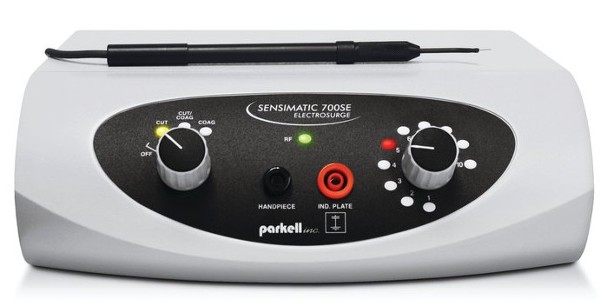
At a minimum, most practices want a unit that handles both cutting and coagulation effectively. Some systems also offer blended modes, which can be useful when you need a balance of incision quality and hemostasis. If your procedures are mostly cosmetic tissue contouring and routine restorative tissue management, that flexibility can be worthwhile. If your use is occasional and straightforward, a simpler unit may be more cost-effective.
Electrode selection
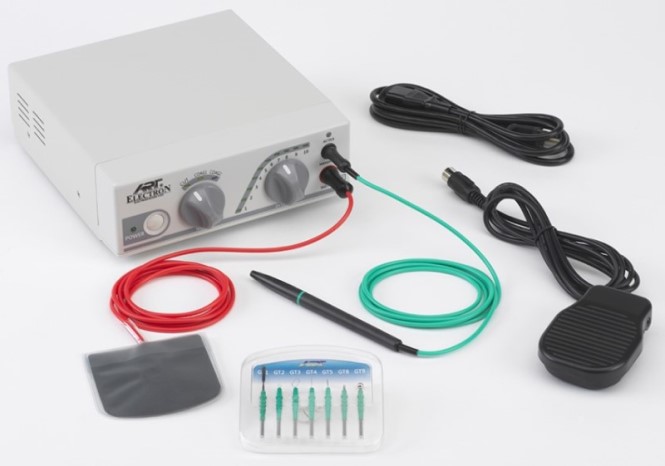
The unit is only part of the purchase. Electrode availability matters because different shapes support different tissue goals. Loop electrodes, straight wires, and ball electrodes each have their place. A machine with limited accessory options can box you into compromises you should not have to make.
User interface and foot control
Busy operatories benefit from equipment that does not require second-guessing. Clear power settings, responsive controls, and practical foot activation can make a noticeable difference in workflow. That is especially true if your assistants help set up and turn rooms quickly.
Safety and patient management
Electrosurgery always requires proper technique, grounding considerations where applicable, and awareness of contraindications. The unit should support safe use with dependable output and clear operating logic. You also want to think about smoke management in your operatory setup, because plume control is part of maintaining a cleaner clinical environment.
Size and operatory fit
Counter space is expensive. In smaller operatories, a compact unit with simple storage can be more valuable than a larger system with extra complexity. If you move equipment between rooms, portability becomes even more important.
Best electrosurgery unit for dentists by practice type
There is no universal winner for every office. The better question is which type of unit gives your practice the strongest return.
For general dentists
General practices usually benefit most from a dependable, easy-to-use electrosurgery unit with strong soft tissue cutting, coagulation capability, and common electrode options. You want predictable performance for everyday procedures, not a learning curve that slows production. In this setting, value means fast setup, consistent tissue response, and a price point that does not feel inflated.
For startups and new offices
Startup owners need to be disciplined. It is easy to overspend when building an equipment list from scratch. If electrosurgery is part of your clinical plan, choose a quality unit that covers essential functions well without paying for features tied to advanced surgical volume you do not yet have. Cash flow matters early, and smart equipment buying gives you room to invest where your practice needs it most.
For higher-volume surgical practices
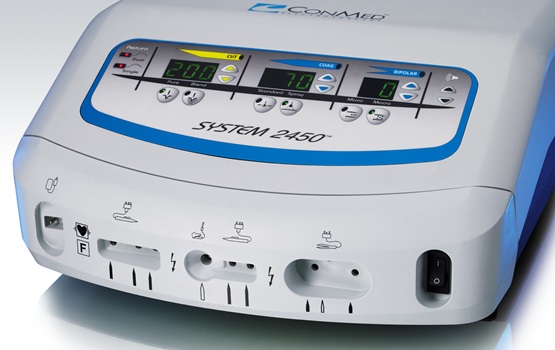
If your office handles more frequent soft tissue procedures, you may justify a more advanced system with broader control options and heavy-use durability. In that case, the best unit is not the cheapest unit. It is the one that holds up under repeated use and supports efficiency without sacrificing precision.
Where dentists get burned on price
The dental equipment market is full of markup. That is not news to practice owners, but it still affects buying decisions every day. Many dentists assume a higher quote means better quality or better support. Often, it just means a bigger distributor added more margin.
With electrosurgery units, pricing should be judged against three things: the brand’s reputation, the included accessories, and the practical support behind the sale. A low advertised price that excludes necessary electrodes or useful components is not a bargain. On the other hand, paying premium distributor pricing for a standard unit is just giving away profit.
That is why buyers should compare complete package value, not just the number on the quote. Look at what comes with the unit, how easy it is to get replacement accessories, and whether you are dealing with a supplier that understands private practice budgets. Family-owned dealers that compete aggressively on price can often deliver the same name-brand equipment for far less than the national players.
Common trade-offs dentists should think through
More features are not always better. In many practices, a simpler electrosurgery unit gets used more effectively because the provider knows it well and the team can set it up quickly. If the machine feels cumbersome, it may sit unused unless the case absolutely demands it.
There is also a trade-off between upfront savings and long-term confidence. Off-brand or lightly supported systems may look attractive if you are trying to cut costs, but equipment used in patient care needs to be dependable. The better move is usually to buy a proven unit at a strong price, not to gamble on a no-name option with limited support.
Another trade-off is power versus finesse. More power capacity can be helpful, but most dental practices need controlled soft tissue management more than brute force. A unit that delivers clean, precise tissue response is often more valuable than one with bigger numbers on the spec sheet.
How to choose without wasting time
Start with your procedure mix. If your electrosurgery use is mostly gingival contouring, crown and bridge tissue management, and routine hemostasis, focus on a straightforward unit with reliable performance and common accessories. If your use is broader and more frequent, expand your comparison to include more advanced control options.
Next, think about who will use it. A solo owner-doctor may be comfortable with more customization. A multi-doctor office usually benefits from a system that is intuitive and consistent across users.
Then compare total value. That means the unit itself, the included components, the reputation of the manufacturer, and the credibility of the seller. This is where a supplier like Lion's Dental Supply & Equipment can make a real difference by helping practices buy quality equipment at aggressively lower prices instead of paying big-distributor markups.
Finally, buy for the next few years, not just the next few weeks. A good electrosurgery unit should support your current procedures while giving you room to grow. The goal is not simply to check a box on your equipment list. The goal is to add a tool that improves clinical efficiency, supports better tissue management, and earns its place in your operatory.
The best electrosurgery unit for dentists is the one that delivers clean clinical results, fits the way your practice actually works, and comes at a price that respects your bottom line. Buy with that standard, and you will make a decision that pays off long after the invoice is filed.