An implant motor is not a place to buy on a spec sheet alone. The best implant motors for dentists deliver controlled torque at low speeds, dependable irrigation, intuitive setup, and a handpiece system that fits the implant workflow your practice actually performs. Get those details right, and placement becomes more predictable. Get them wrong, and a lower purchase price can turn into downtime, frustrating setup, and costly accessory replacements.
For a startup adding implants or an established practice replacing aging equipment, the right unit is the one that protects clinical control without forcing you to pay big-distributor pricing for features you will not use.
What separates the best implant motors for dentists?
Implant systems are not interchangeable simply because they list torque, speed, and irrigation. A motor that feels excellent for routine posterior placement may be a poor fit for a practice doing full-arch surgery, immediate placement, or guided cases every week. The best buying decision starts with the procedures, volume, and surgical handpieces already in your office.
The essentials are straightforward: high, stable torque at the handpiece; accurate speed reduction; external irrigation that reaches the osteotomy; easy-to-read controls; and reliable service support. Beyond that, the value of a feature depends on how often your team will use it.
Torque: look at handpiece output, not marketing language
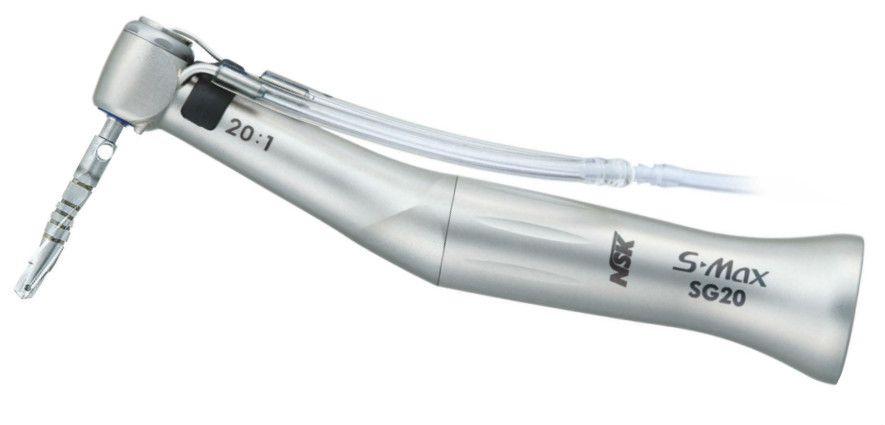
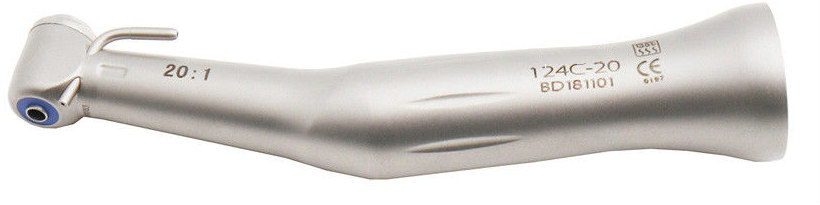
For implant placement, torque needs to be stable and controllable at low speed. Many surgical motors use a 20:1 reduction handpiece, allowing the motor to deliver the torque needed for drilling and implant insertion while maintaining precise rotational speed.
Do not compare maximum motor torque figures without checking how the number is measured and whether it reflects output through the handpiece. A broad adjustable torque range is useful, but accuracy and repeatability matter more than chasing the largest number printed in a brochure. For routine implant placement, clinicians commonly need reliable control through the torque settings used by their implant protocol. Full-arch and dense-bone cases can make higher available torque and a premium surgical handpiece more worthwhile.
Irrigation is a clinical requirement, not an add-on
Heat control during osteotomy preparation is non-negotiable. Look for a unit with dependable external irrigation, simple tubing installation, and a pump that can be adjusted from the control panel or foot pedal. Poor tubing routing or awkward setup adds time between cases and creates opportunities for contamination or inconsistent flow.
Some systems offer highly refined irrigation controls and disposable tubing sets designed around a particular motor platform. Those can improve workflow, especially in busy surgical practices. But a general dentist placing a modest number of implants may get excellent results from a simpler unit with dependable pump performance and readily available consumables.
Handpiece quality drives the day-to-day experience
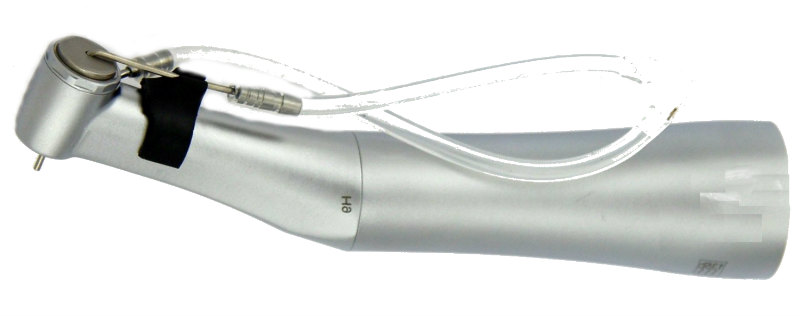
The surgical handpiece often determines whether an implant motor feels precise or frustrating. A quality 20:1 contra-angle should run smoothly, maintain illumination where needed, tolerate repeated sterilization cycles, and connect without drama.
Confirm compatibility before buying. Some motor systems are built around proprietary handpieces, while others support broader connection standards. Proprietary systems can offer excellent integration, but they may also mean higher replacement costs and fewer purchasing options. If your practice already owns compatible surgical handpieces, a system that works with them can reduce the real cost of upgrading.
Implant motor categories worth comparing
Rather than declaring one unit best for every office, compare motors by the level of surgical demand in your practice.
Best value for routine implant placement
A streamlined implant motor is often the right answer for general practices placing single implants, straightforward multi-unit cases, and occasional grafting procedures. Prioritize core performance: a brushless motor, clear display, programmable speed and torque settings, external irrigation, a responsive foot control, and a quality 20:1 handpiece.
This category should not mean bargain-basement equipment. It means paying for the clinical fundamentals instead of advanced software, specialty programs, and accessories that sit unused. The right value-focused system gives your office a dependable platform to grow implant production while protecting capital equipment budgets.
Best for high-volume surgical practices
For oral surgeons, periodontists, prosthodontists, and general dentists with a substantial implant schedule, premium systems can earn their higher cost. Leading units from brands such as W&H, NSK, Bien-Air, and KaVo are often selected for refined motor control, strong handpiece options, ergonomics, programmability, and established service networks.
High-volume practices should look closely at setup speed. Can the assistant change irrigation tubing quickly? Can the doctor move among drilling and insertion protocols without hunting through menus? Is the foot pedal easy to control while maintaining sterile technique? A few seconds saved per step becomes meaningful across a full surgical day.
Best for guided surgery and digital workflows
Guided implant surgery can change what you need from the motor. Depending on the system and protocol, the practice may benefit from saved drilling sequences, detailed program memory, and controls that keep the surgical team on the planned workflow.
That said, do not buy a digitally oriented motor merely because your office has a CBCT or intraoral scanner. Confirm that its programs fit the guided kit and implant system you use. The motor should support your surgical process, not create another isolated technology platform your team has to manage.
How to compare implant motors before you buy
Price is part of the decision, but it should be the final comparison after you narrow the field by clinical fit. Ask each supplier for a complete quote that identifies the motor, control unit, foot pedal, handpiece, irrigation tubing, bottle holder, accessories, warranty coverage, and any required maintenance items. A low advertised price can be misleading if the surgical handpiece or essential accessories are excluded.
Also ask what happens after the sale. Who handles warranty claims? How quickly can replacement parts, tubing, and handpieces be supplied? Is loaner equipment available if a unit needs service? Implant downtime is expensive because it disrupts scheduled surgical care, not just a single procedure.
For a fair comparison, evaluate these practical questions:
Does the motor provide the speed and torque range required by your implant system's surgical protocol?
Is a quality 20:1 handpiece included, and what will a replacement cost?
Are irrigation tubing sets easy to obtain at a reasonable price?
Can the team operate the display and foot pedal confidently after basic training?
Does the unit fit your current and planned case volume?
Those answers reveal more than a generic claim that a motor is "powerful" or "advanced."
Do not overbuy, but do not under-spec your surgical setup
The cheapest implant motor can be expensive if its handpiece runs rough, its controls are difficult to use, or its support is limited. On the other hand, the most feature-packed unit is not automatically the smart purchase for a practice performing a few straightforward cases each month.
Consider the full system cost over several years. Include the initial purchase, sterilizable handpieces, replacement parts, tubing, maintenance, and the value of clinical time. If a higher-quality unit improves visibility, control, and case turnover in a busy implant schedule, the return can be real. If it only adds unused presets, the extra spend stays on the shelf.
Lion's Dental Supply & Equipment helps practices compare name-brand surgical equipment without accepting inflated distributor pricing. A price match conversation is worth having when you have identified the configuration that fits your cases, because the best deal is a complete, supported system at a competitive price - not a stripped-down quote with surprises later.
Before placing an order, put the surgical protocol, included handpiece, consumable costs, and service plan side by side. That short exercise will point you toward an implant motor your team can rely on when the next case is already on the schedule.