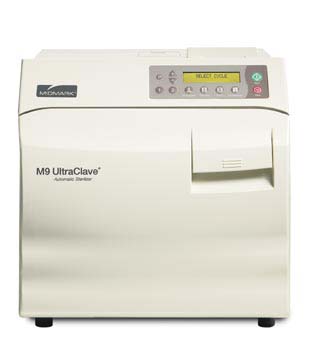
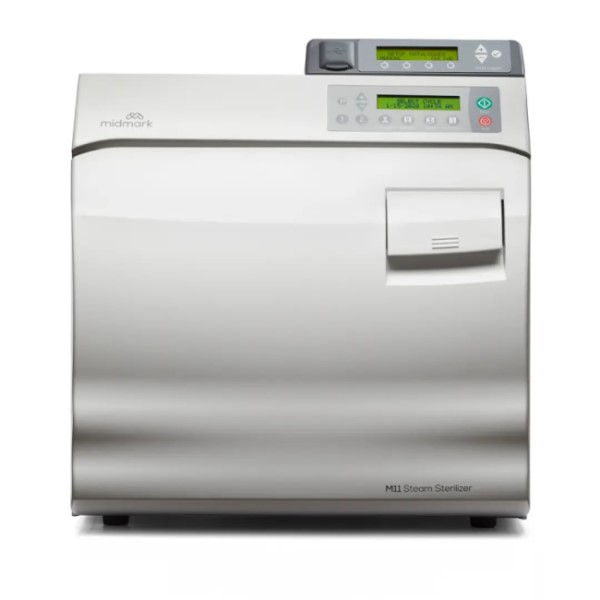
Best Autoclave for Dental Office Buyers
If your sterilizer is slowing down turnovers, throwing error codes, or forcing staff to rerun loads, the search for the best autoclave for dental office use gets serious fast. This is not a flashy purchase. It is one of the few pieces of equipment that affects schedule flow, compliance, instrument availability, and patient confidence every single day.
What makes the best autoclave for dental office settings?
The right answer starts with your workflow, not a brand label. A solo practice seeing mostly restorative cases has different sterilization demands than a busy multi-op office handling surgery, endo, and hygiene all day. The best autoclave for dental office operations is the one that keeps up with your instrument volume, fits your space, supports your compliance process, and does not become a maintenance headache six months after installation.
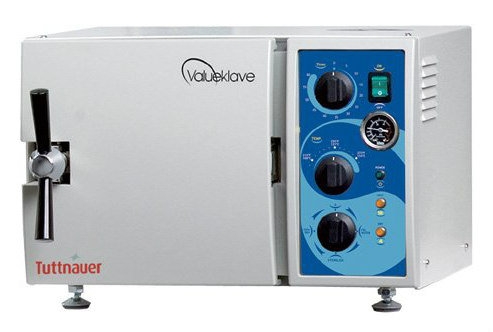
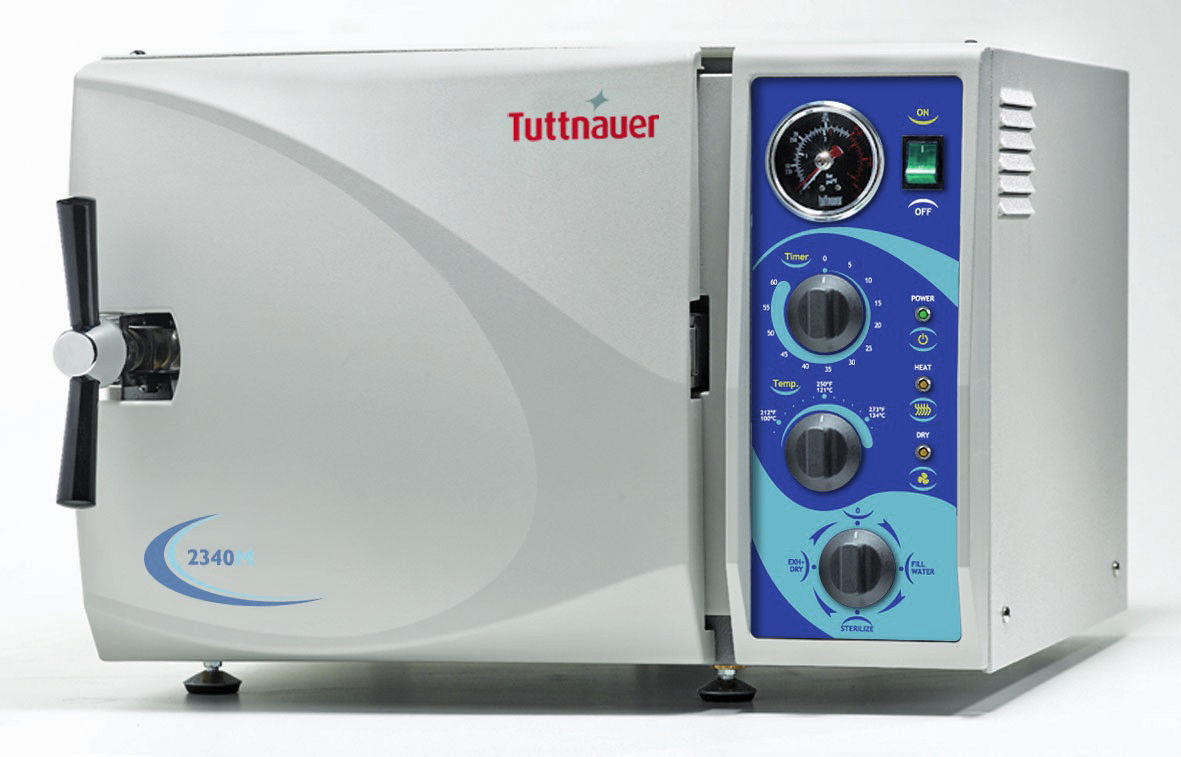
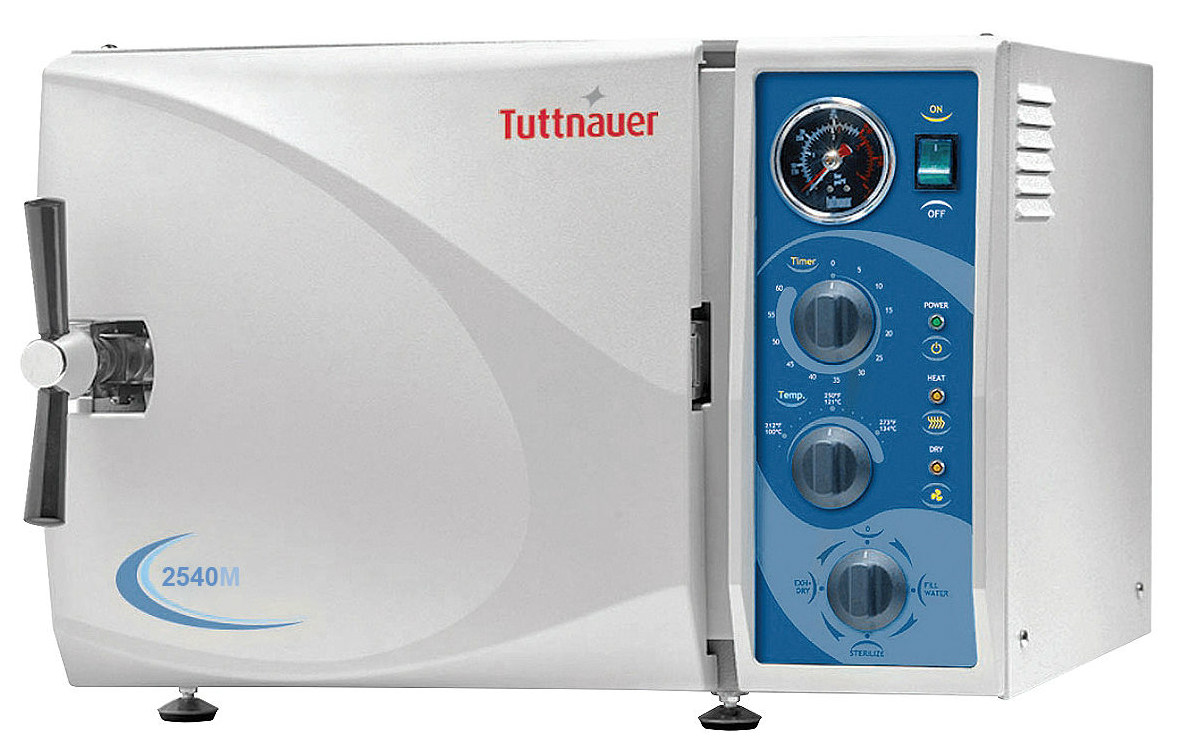
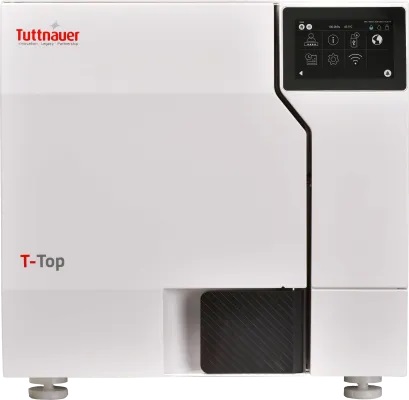
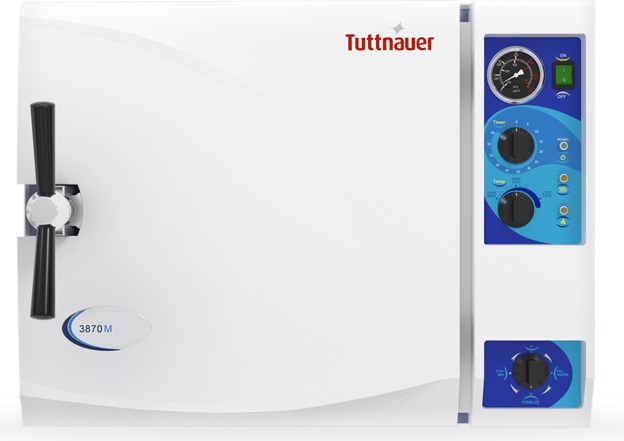
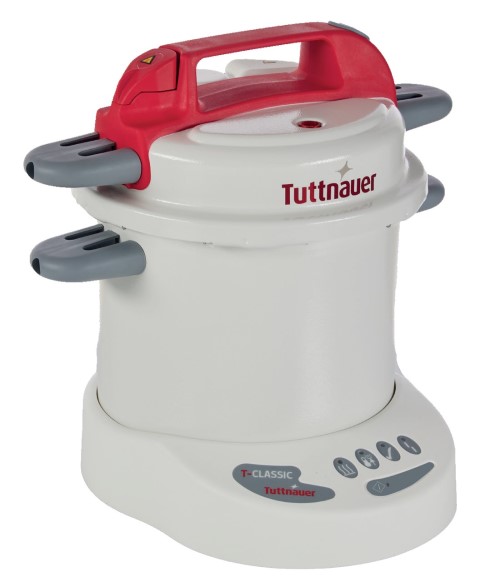
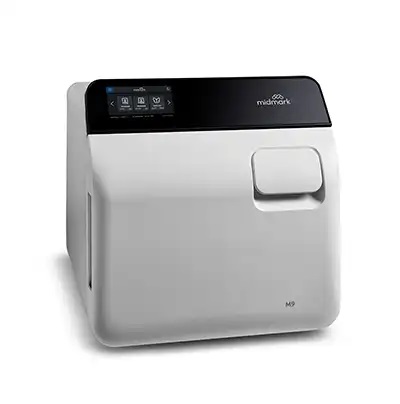
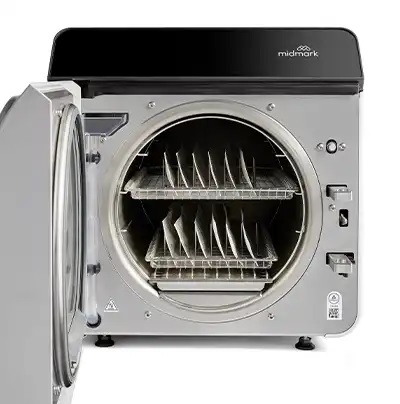
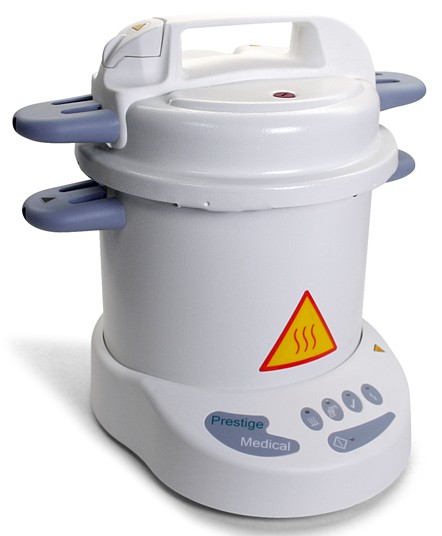
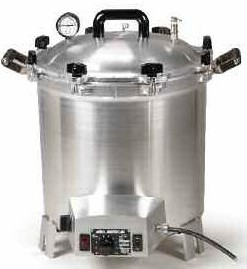
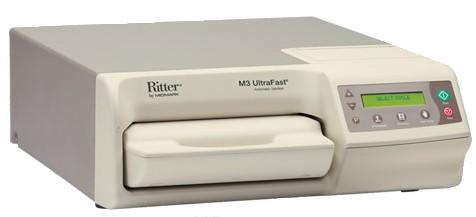
Most dental practices are choosing between steam sterilizers in a few familiar categories - compact units for lighter loads, standard tabletop autoclaves for general practice, and larger-capacity models for offices that need faster turnaround with fewer interruptions. The mistake is buying only on sticker price or only on chamber size. A low-cost unit that bottlenecks your day is expensive. An oversized premium model you never fully use is expensive too.
Start with capacity, because this is where practices overspend or undershoot
Capacity sounds simple, but it is usually where the buying decision gets distorted. Practices often assume bigger is automatically better. Sometimes it is. Sometimes it just means paying more upfront, using more counter space, and running partially filled loads.
If you are opening a startup office with limited daily volume, a smaller autoclave may be the smarter buy. It can keep your initial investment under control while still covering essential tray and pouch loads. On the other hand, if you already know your schedule runs tight and your team frequently turns over operatories with little downtime, a larger chamber can save labor, reduce the number of cycles per day, and keep instruments moving without constant planning.
A good rule is to match the sterilizer to your busiest realistic day, not your average slow day and not your fantasy growth projection. If your staff is already stacking instruments and waiting for clean sets, you likely need more throughput, not just a newer machine.
Cycle speed matters, but not at the expense of reliability
Fast cycles are a major selling point, and for good reason. Quicker turnaround helps reduce the number of instrument sets you need on hand and keeps procedures on schedule. That can directly improve efficiency and reduce the pressure to overbuy duplicate instruments.
But speed is only valuable when the machine runs consistently. Some practices get drawn to headline cycle times and ignore the real issue - repeatability. If a sterilizer has frequent aborted cycles, finicky loading requirements, or a reputation for service calls, the advertised speed means very little. Reliability beats theoretical performance every time.
When you compare models, think beyond the brochure. Ask how the unit handles back-to-back loads, whether drying performance is strong, how often routine maintenance is required, and how easy it is for staff to operate correctly. A machine that your team can use confidently every day is worth more than one with a more impressive spec sheet and more downtime.
Ease of use is not a minor feature
A sterilizer should not require guesswork. Clear controls, straightforward cycle selection, readable display information, and simple loading procedures all matter. In a real dental office, equipment has to work with busy assistants, tight schedules, and multiple people touching the same process.
If training a new team member on the autoclave feels complicated, that is a cost. If the machine is overly sensitive to user error, that is a cost too. The best units make correct operation easier, not harder. They support consistency in sterilization protocols and reduce the chance of mistakes during a packed clinical day.
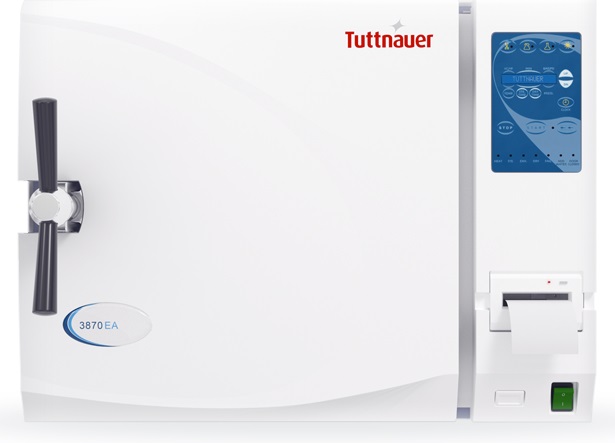
This also ties into recordkeeping. Many offices want sterilizers with printouts or digital documentation options to simplify compliance and internal tracking. That is not an extra for many practices anymore. It is part of running a clean, organized sterilization area without adding more manual work.
Consider your water quality, utilities, and installation reality
A lot of buyers focus on the machine and overlook the room. Before choosing an autoclave, confirm what your office can realistically support. Countertop footprint, clearance, electrical requirements, plumbing needs if applicable, ventilation, and access for maintenance all need attention.
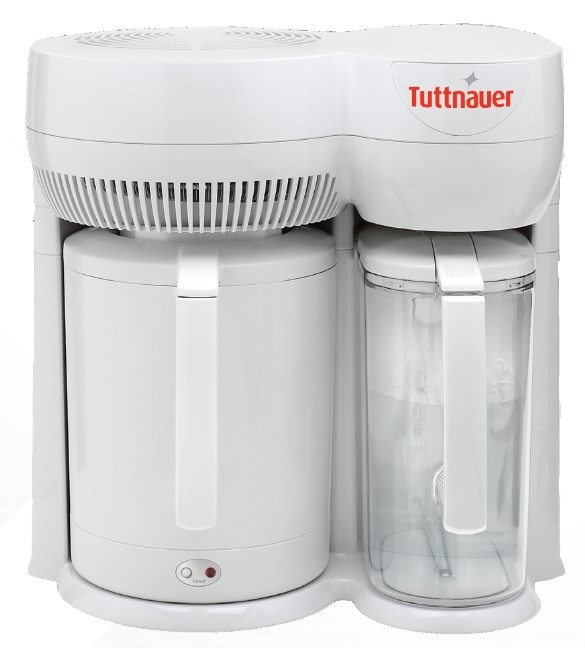
Water quality is a bigger issue than many first-time buyers expect. If your office does not have a solid process for supplying the right water quality the manufacturer requires, performance problems can show up early. Scale buildup, sensor issues, and preventable service problems can eat into the savings of a lower-priced unit.
This is where a practical equipment partner earns its keep. Good guidance upfront can prevent a mismatch between the sterilizer and your actual setup. That matters whether you are replacing one failed unit in an established office or outfitting a brand-new sterilization center from scratch.
Price matters - but total cost matters more
Private practices do not have room to overpay, and they definitely do not have room to buy twice. The right buying mindset is not cheapest versus most expensive. It is best value over time.
A lower-priced autoclave can be an excellent move if it comes from a trusted manufacturer, offers dependable performance, and fits your load volume. That is smart buying. But if the cheap unit leads to service interruptions, excessive maintenance, or workflow limitations that force another upgrade sooner than expected, the bargain disappears.
At the same time, some offices get pushed toward premium-priced equipment by large distributors when a more cost-effective model would do the job just as well. That is exactly why comparison matters. You want a machine that meets your clinical needs and protects your margins. Nothing more. Nothing less.
For many practices, the sweet spot is a name-brand tabletop sterilizer with solid capacity, proven reliability, straightforward maintenance, and strong value pricing. That combination is often better for the bottom line than paying a premium just for extra bells and whistles your team will rarely use.
Brand reputation still counts in sterilization equipment
Sterilizers are not the place to experiment with unknown quality. In a dental office, brand reputation matters because serviceability, parts availability, and long-term support matter. A recognized manufacturer with a history in dental sterilization usually gives you a safer path than an off-brand unit with limited support.
That does not mean every well-known model is automatically the right one. It means you should weigh product reputation alongside price and features. Look for a track record of dependable use in private practices, not just marketing claims. Ask how the unit performs after years of daily cycles, not just during the first month after installation.
For cost-conscious buyers, this is where an experienced supplier can make a real difference. The goal is not to push the highest-ticket unit. It is to help you compare trusted options and buy the right machine at a sharper price than the big national players want to offer.
How to choose the best autoclave for dental office growth
Think about where your practice is going over the next three to five years. If you are adding operatories, expanding hygiene, bringing on an associate, or increasing procedure mix, your sterilization needs will change. Buying too small can create a bottleneck right when growth starts paying off.
Still, there is a balance. You do not need to overbuild for a future that may arrive gradually. In some cases, it makes more sense to buy a strong primary unit now and plan for a second sterilizer later rather than overspending on a larger model today. In other cases, especially in busier offices, stepping up in capacity immediately is the more efficient and cost-effective move.
That is why the best purchasing decision is rarely generic. It depends on daily instrument volume, number of ops, case mix, staffing, space, and budget. A startup owner trying to control overhead has different priorities than a mature practice replacing an aging sterilizer that has become unreliable.
The smartest buyers ask better questions
Before you commit, ask practical questions. How many loads will this unit comfortably handle on a heavy day? What is the real drying performance like? How easy is routine maintenance? What support is available if the unit needs service? Are replacement parts easy to source? Does this model make sense for the number of operatories you actually run?
Those questions get you closer to a smart purchase than chasing marketing language. They also keep the decision grounded in productivity, compliance, and long-term value.
At Lion's Dental Supply & Equipment, that is the conversation private practices should be having - not how much they can be talked into spending, but how much performance they can get for the money. The best autoclave is not the one with the loudest sales pitch. It is the one that keeps your office moving, protects your staff time, and delivers dependable sterilization without draining your equipment budget.
Buy with your workflow in mind, buy from proven brands, and buy at a price that leaves room for the rest of your practice to grow.