What Is a Dental Electrosurgery Unit?
If you're comparing soft tissue tools for your practice, one question comes up fast: what is a dental electrosurgery unit, and is it worth adding to your operatory? The short answer is that it is a device that uses high-frequency electrical current to cut soft tissue and control bleeding during dental procedures. For many practices, that means cleaner tissue management, better visibility, and less chairside frustration when speed matters.
That answer is simple. The buying decision is not. Electrosurgery can be a smart, cost-effective addition for general practices, perio-focused offices, and restorative dentists who regularly manage gingival tissue. But it is not the right fit for every procedure or every clinician. Knowing where it shines and where it does not is what protects your budget and your workflow.
What Is a Dental Electrosurgery Unit and How Does It Work?
A dental electrosurgery unit is a soft tissue surgical device that delivers radiofrequency electrical energy through a handpiece and electrode. That energy creates heat at the tissue site, allowing the clinician to incise, contour, coagulate, or remove soft tissue with strong hemostatic control.
In practical terms, it is used to shape gingiva, expose margins, manage operculum tissue, perform gingivectomies, and improve access during restorative or prosthetic procedures. The unit typically includes a power generator, handpiece, active electrode tips, and a patient return electrode in monopolar systems. Some units are designed around monopolar use, while others may offer bipolar functionality depending on the model and intended applications.
The biggest reason dentists consider electrosurgery is efficiency. Compared with a scalpel, an electrosurgery unit can reduce bleeding significantly, which improves visibility and can help you work faster. That matters in everyday dentistry, especially when you are trying to capture a clean impression, seat a restoration, or manage overgrown tissue without turning a short appointment into a drawn-out one.
Why Practices Use Dental Electrosurgery
Soft tissue management is one of those areas where the right equipment pays for itself in time, not just procedure capability. A dental electrosurgery unit gives clinicians a controlled way to cut and coagulate at the same time. That means less bleeding at the site, fewer interruptions, and a field that is easier to see.
For a private practice owner, the value is pretty straightforward. Better visibility can improve precision. Shorter procedure times can support production. And when you can handle more tissue management in-house instead of referring out simple cases, the equipment starts making financial sense.
This is especially useful in restorative dentistry. If subgingival margins are getting in the way, or excess tissue is compromising access, electrosurgery can help expose the working area quickly. In crown and bridge cases, that can make the difference between a smooth appointment and a remakes problem you did not need.
There is also a patient experience angle. Electrosurgery often allows for efficient soft tissue treatment with controlled bleeding, and that can make the procedure feel more streamlined from the patient's perspective. That said, patient comfort still depends on technique, case selection, and proper anesthesia.
Common Procedures Where Electrosurgery Fits
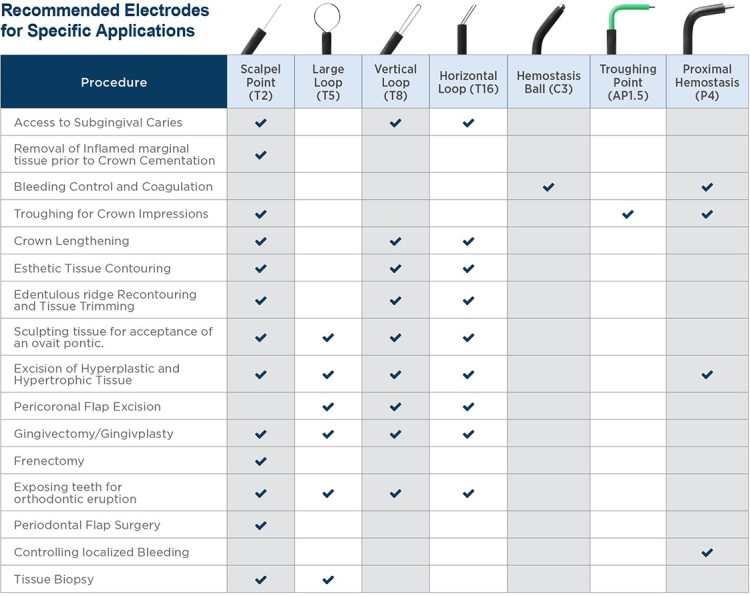
Most dental offices do not buy an electrosurgery unit for one niche use. They buy it because it supports a range of routine soft tissue procedures. Gingivectomy and gingivoplasty are common examples, especially when reshaping tissue around teeth for restorative access or esthetics.
It is also frequently used for troughing around crown preparations, removing hyperplastic tissue, exposing partially erupted teeth, and managing tissue during impression or scanning workflows. Some practices use it for operculectomy, frenectomy in selected cases, or tissue contouring around prosthetic work.
The key phrase here is selected cases. Electrosurgery is a useful tool, not a blanket replacement for every soft tissue method. Some procedures are better suited to a laser. Others are better handled with conventional instruments. Good buying decisions come from that kind of realism, not from assuming one device does everything.
Electrosurgery vs Scalpel vs Laser
If you are evaluating equipment, this is where the conversation gets real. Dentists usually compare electrosurgery against scalpels and soft tissue lasers because all three can address similar clinical needs, but they do not deliver the same workflow or operating cost.
A scalpel is simple, familiar, and low cost. It gives tactile control and works well in many surgical situations. The downside is obvious: more bleeding, more field management, and often more time spent controlling the site.
A soft tissue laser can offer excellent precision and patient-friendly marketing appeal. Many doctors like the reduced bleeding and perceived comfort benefits. The trade-off is price. Laser systems can cost substantially more, and depending on the platform, ongoing maintenance and training may also factor into the total investment.
Electrosurgery tends to sit in a practical middle ground. It offers strong hemostasis and efficient cutting at a lower acquisition cost than many laser systems. That makes it attractive to startups, fee-conscious private practices, and established offices that want capability without overpaying for bells and whistles they may not need.
But there are limits. Electrosurgery generates heat, so technique matters. Poor control can lead to unwanted lateral heat damage. It is also not ideal around metal restorations in some scenarios, and it requires caution around patients with certain medical devices, such as pacemakers, depending on the unit and medical guidance. This is exactly why smart buyers look beyond price alone. Value means matching the equipment to the procedures you actually perform.
What to Look for When Buying a Dental Electrosurgery Unit
If you are shopping for a unit, focus on the features that affect everyday use rather than getting distracted by specs that sound impressive on paper. Power control matters because different tissue thicknesses and procedures require different output settings. A unit with consistent, adjustable power gives you more flexibility and more predictable results.
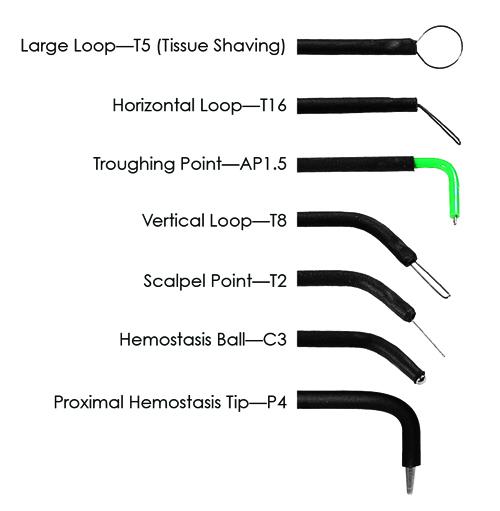
Handpiece comfort is another detail that gets overlooked until the device is in use all day. A lightweight, balanced handpiece can improve control and reduce fatigue. Electrode variety matters too. Practices that want the most utility should look for systems that support multiple tip configurations for cutting, coagulating, contouring, and broader tissue management.
Build quality and service support should be part of the equation. Electrosurgery units are workhorse devices, and reliability matters more than flashy marketing. If a supplier can help you compare trusted brands, explain configuration differences, and keep pricing competitive, that is not a minor benefit. It is part of protecting your investment.
For budget-focused practices, this category is one where aggressive pricing can make a real difference. You should not have to pay big-distributor markups to get quality equipment that performs. That is especially true for startup offices trying to equip operatories without crushing cash flow in year one.
Is a Dental Electrosurgery Unit Right for Your Practice?
It depends on your procedure mix. If your office routinely handles restorative cases that require soft tissue access, performs basic periodontal tissue recontouring, or wants faster tissue management with better hemostasis, an electrosurgery unit can be a strong addition. It is one of those devices that can quietly improve efficiency across many appointments rather than only showing up for rare specialty cases.
If your practice rarely performs soft tissue procedures, or if you are already heavily invested in a laser platform that meets your needs, the return may be less compelling. Equipment should earn its place. The best purchase is not the most advanced option. It is the one that gets used consistently, solves actual clinical problems, and fits your budget.
That is why a lot of independent practices prefer straightforward, proven devices over overengineered systems with inflated pricing. You need dependable performance, practical features, and support from people who understand dentistry as a business, not just a catalog.
Training, Safety, and Expectations
Even a well-priced unit is only a good investment if it is used correctly. Proper training is essential. Dentists need to understand electrode selection, power settings, tissue response, grounding requirements where applicable, and case limitations. Clinical results depend heavily on technique.
It also helps to set realistic expectations. Electrosurgery is excellent for many soft tissue applications, but it is not magic. Healing patterns, tissue effects, and procedural outcomes vary based on the case and the operator. The smartest practices approach it as a highly useful clinical tool, not a catch-all solution.
If you are asking what is a dental electrosurgery unit, the better follow-up question is whether it solves enough real problems in your office to justify the cost. For many private practices, the answer is yes. When you buy carefully, train properly, and match the unit to your workflow, it can be one of the more practical upgrades in the operatory. And practical wins are usually the ones that pay you back the fastest.