Dental Vacuums: What Practices Should Buy
A weak suction system does not stay in the utility room. It shows up chairside as slow evacuation, poor visibility, longer procedures, frustrated team members, and a patient experience that feels less controlled than it should. Dental vacuums are core operatory infrastructure, not an afterthought to buy only when an old unit fails.
For a startup office, the vacuum system should be sized for the practice you expect to become, not just the first operatory you open. For an established practice, replacement is a chance to lower utility costs, reduce noise, and stop paying for emergency repairs. The right unit protects daily productivity. The wrong one becomes an expensive bottleneck.
What Dental Vacuums Actually Need to Do
A dental vacuum system removes fluids, aerosols, debris, and air from the patient’s mouth through high-volume evacuation and saliva ejector lines. Its job is straightforward, but the load changes constantly. A hygienist using an ultrasonic scaler, a dentist preparing a crown, and an assistant working through a surgical procedure can all demand meaningful suction at the same time.
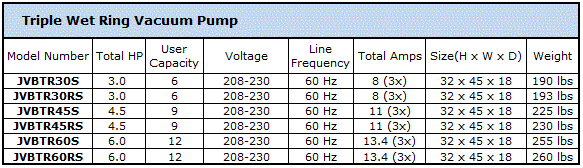
That is why the purchase decision cannot come down to horsepower alone. A unit may look powerful on paper yet fall short if its airflow, plumbing configuration, separation method, or operating capacity does not match the office. Ask how many simultaneous users the system supports at the vacuum level required for your clinical work.
High-volume evacuation is the priority for most practices because it supports visibility, moisture control, and efficient aerosol capture during active procedures. Saliva ejectors create a lighter demand, but they still need to be accounted for in the total system design. If your practice regularly performs oral surgery, implants, restorative dentistry, or high-volume hygiene, do not size the system at the bare minimum.
Wet vs. Dry Dental Vacuums
The first major decision is whether to choose a wet-ring or dry vacuum system. Neither is automatically better. The right choice depends on your utility setup, water costs, maintenance preferences, local requirements, and plans for expansion.
Wet-Ring Systems
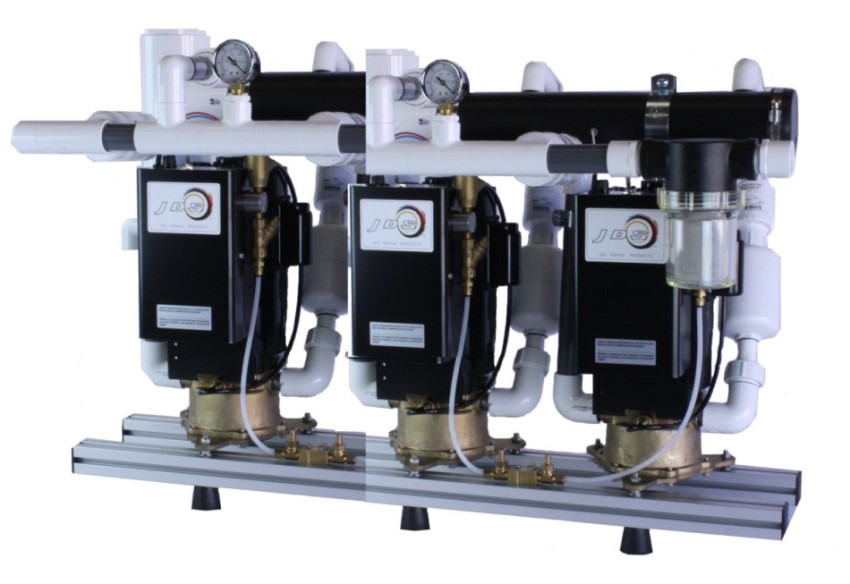
Wet dental vacuums use water to create suction. They have been common in dental offices for decades and can deliver dependable performance when properly installed and maintained. A wet system may make sense when an office already has compatible plumbing, has limited upfront budget flexibility, or is replacing a similar existing unit.
The trade-off is water consumption. Depending on the system and daily use, a wet vacuum can send a substantial amount of water down the drain. That increases utility costs over time and may be a poor fit for practices focused on reducing operating waste. Water quality, drainage conditions, and separator maintenance also matter.
Dry Systems
Dry dental vacuums use mechanical pumps rather than a continuous water flow to generate suction. For many modern practices, they are the stronger long-term value because they can substantially reduce water use and often offer efficient, consistent operation.
Dry systems generally carry a higher initial equipment cost, but purchase price is only one part of the equation. Lower water use, potential energy savings, and reduced dependence on water supply can make the numbers work in their favor over the life of the equipment. They also appeal to offices building new operatories where the utility layout can be designed around the system from day one.
A dry system still needs regular care. Filters, traps, separators, and lines must be maintained on schedule. “Dry” does not mean maintenance-free. It means the suction method uses less water.
Size the Vacuum for Peak Use, Not Average Use
A two-operatory office does not always need a two-user vacuum. If one room is used mainly for exams and the other for procedures, a smaller unit may perform well. But if both rooms are active throughout the day and you intend to add hygiene, a third operatory, or surgical services, undersizing is a false economy.
Start with the number of operatories that can realistically run high-volume evacuation at the same time. Then consider whether the practice will add chairs within the equipment’s expected service life. Buying a system with modest expansion capacity is often less expensive than replacing an undersized unit in a few years.
Do not confuse the number of chairs in the building with actual simultaneous demand. A four-operatory office may only need capacity for two or three concurrent users. On the other hand, a busy three-operatory practice with two hygienists and a doctor doing restorative work can create a heavier peak load than its floor plan suggests.
Your installer and equipment supplier should review the full picture: operatory count, procedure mix, pipe length and diameter, elevation changes, existing utilities, separator requirements, and future build-out. A vacuum pump is only as effective as the system around it.
Pay Attention to Airflow, Noise, and Installation
When comparing models, airflow and vacuum performance are more meaningful than marketing language about power. Look for manufacturer specifications showing the unit’s rated capacity and the number of concurrent users it is designed to support. Ask whether those ratings assume high-volume evacuation, saliva ejectors, or a combination.
Installation details can change performance dramatically. Long runs of undersized pipe, excessive bends, poor drainage, leaks, and improper line slopes all reduce suction where it matters most: at the operatory. Replacing the pump without addressing worn or poorly designed plumbing may leave the office disappointed with a system that should have performed well.
Noise deserves consideration too. Equipment rooms near operatories, consultation spaces, or staff areas can make a loud pump a daily annoyance. Sound enclosures and thoughtful placement help, but they can also affect ventilation and access for service. Make sure the equipment location allows the unit to run cool and gives technicians enough room to maintain it.
Do Not Ignore Separation and Compliance
A vacuum system handles more than water and air. Amalgam particles and other debris must be managed correctly. If your office places or removes amalgam restorations, an amalgam separator may be required under applicable federal, state, or local rules. Requirements can vary by location, so confirm what applies before ordering equipment.
Separators need to be compatible with the vacuum system and sized for the practice’s use. They also require cartridge changes, documentation, and proper disposal procedures. Skipping this planning step can create installation delays and add avoidable costs after the fact.
The same practical thinking applies to filters and solids collectors. Choose a setup your team can maintain consistently. A lower-priced unit becomes a bad deal if it needs parts that are difficult to source or service procedures that no one in the office understands.
Maintenance Protects Suction and Equipment Life
Daily line flushing, proper use of evacuation cleaner, routine filter checks, and scheduled separator service are basic operating disciplines. They help prevent odors, clogs, loss of suction, and unnecessary strain on the pump.
Avoid using products that are not approved for your system. Harsh chemicals can damage seals, tubing, or components, while poor cleaning habits allow biofilm and debris to build up in evacuation lines. Follow the manufacturer’s recommendations and assign responsibility clearly. If everyone owns maintenance, no one owns it.
Keep a simple service record with dates for line cleaning, filter changes, separator replacement, and technician visits. That record helps diagnose problems faster and supports smarter repair-versus-replace decisions later.
Buy for Value, Not Just the Lowest Sticker Price
The cheapest dental vacuum is not always the lowest-cost choice. Compare the complete investment: equipment price, installation requirements, water and electricity use, expected maintenance, replacement parts, warranty coverage, and whether the unit can support another operatory later.
At the same time, do not assume a large national distributor deserves a premium just because its name is familiar. Private practices work hard for every dollar. You should be able to buy quality equipment from recognized manufacturers, get knowledgeable support, and still protect your capital budget.
Lion’s Dental Supply & Equipment helps practices compare dental vacuum options without the inflated pricing and one-size-fits-all sales pitch. Whether you are equipping a startup, replacing a failing wet system, or planning for growth, the goal is simple: buy the right capacity once and keep more money working inside your practice.
Before you place an order, map your current peak demand and your likely growth over the next three to five years. That one conversation can prevent years of weak suction, wasted water, and costly replacement decisions.