Dental Office Startup Equipment Checklist Example
Opening a practice gets expensive fast, and the biggest mistakes usually happen before the first patient ever sits in the chair. A solid dental office startup equipment checklist example helps you control costs, avoid duplicate purchases, and make sure your operatories, sterilization area, and imaging setup are actually ready to produce.
If you are building your first office, you do not need the most expensive setup in every category. You need the right setup for your procedure mix, your space, and your budget. That is a big difference. Smart startup buying is not about buying cheap. It is about buying equipment that earns its keep from day one.
What a dental office startup equipment checklist example should cover
A real checklist should follow the way your office functions, not just the way products are grouped in a catalog. That means thinking in zones: reception, operatories, sterilization, imaging, mechanical room, and specialty procedure needs. When buyers skip that step, they often overspend on one category and miss something critical in another.
For most general practices, the core purchase plan starts with operatory equipment, sterilization, imaging, and utility systems. Those categories drive patient flow, compliance, and daily production. If one of them is wrong, your startup feels the pain immediately.
Front office and consultation essentials
The front office is not where most capital dollars go, but it still matters. You need a practical reception setup, check-in workspace, phones, computers, printers, and seating that fits your patient volume. Consultation rooms may need monitors or basic imaging display capability depending on how you present treatment.
This category is usually straightforward, but there is still a trade-off. A larger, more polished front office can improve first impressions, yet many startups get a better return by putting more budget into clinical production areas first. Patients remember efficient care and clear communication more than oversized lobby furniture.
Operatory equipment checklist for a startup practice
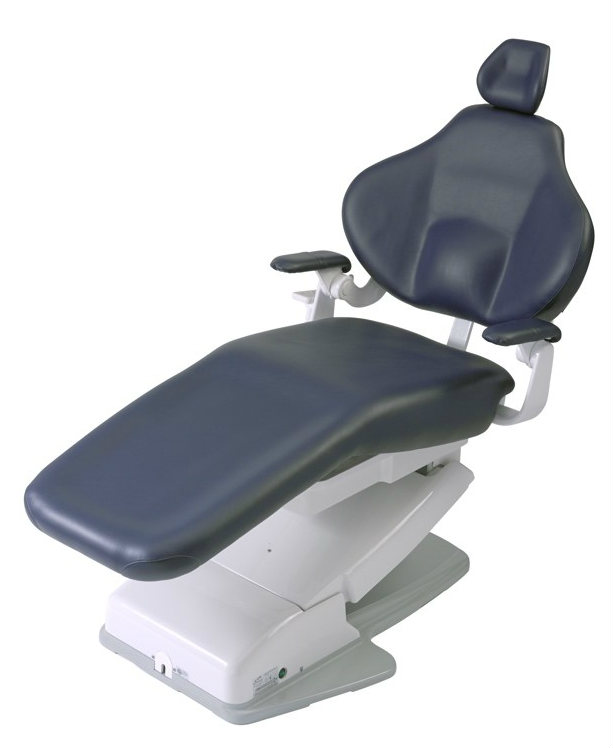
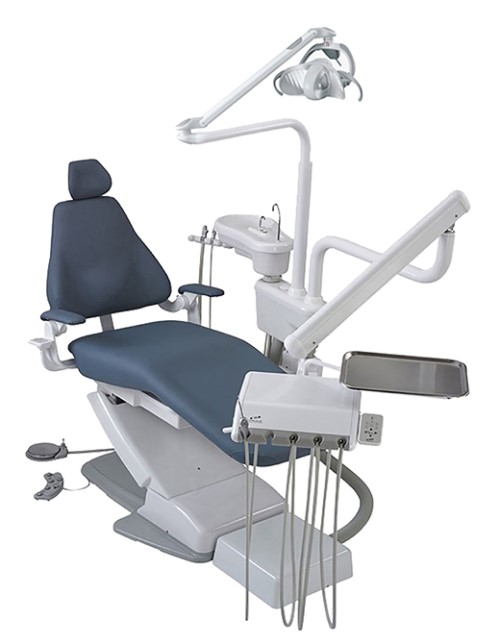
This is the heart of your investment. In a typical startup, the operatory package will include dental chairs, doctor stools, assistant stools, delivery systems, operatory lights, and cabinetry or mounting configurations. Some offices also include built-in monitors, intraoral camera integration, or electric handpiece capability from the start.
The main question is how many operatories you should fully equip on day one. A common mistake is overbuilding. If you lease a space for five or six ops, you may not need to fully equip all of them immediately. Many startups open with two or three active operatories and leave room to expand as patient volume grows. That protects cash flow without limiting future growth.
Chair selection also depends on your clinical model. A general dentist doing bread-and-butter restorative and hygiene may prioritize comfort, reliability, and a clean delivery layout. A practice planning more surgical or implant procedures may need more specialized positioning, added attachments, or upgraded delivery options. There is no universal best chair, only the best fit for how you work.
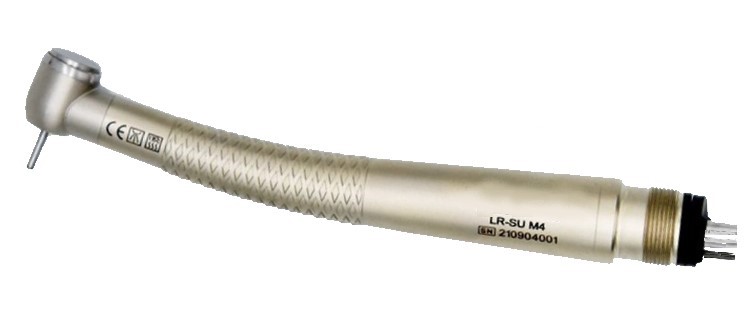
Handpieces, curing lights, ultrasonic scalers, and small operatory devices belong in this category too, even if they are often budgeted separately. They are easy to underestimate because the unit price can look smaller than a chair or compressor. But together, they add up fast.
Sterilization equipment you cannot afford to get wrong
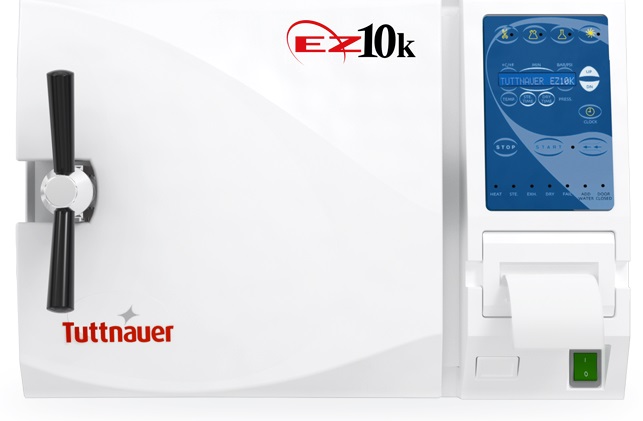
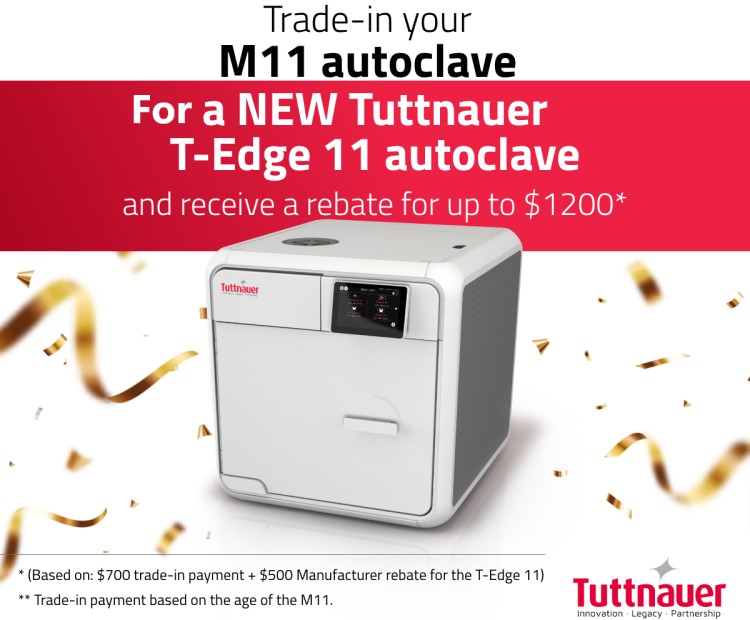
Sterilization is not a side purchase. It is a compliance issue, a workflow issue, and a patient confidence issue. Your checklist should include at least one autoclave or sterilizer sized for expected instrument load, plus ultrasonic cleaning or instrument cleaning support, sealing equipment if needed, instrument trays, and storage.
This is another place where size matters. Buy too small, and your team loses time cycling instruments all day. Buy too large without the volume to support it, and you tie up capital unnecessarily. Practices with multiple providers or heavy hygiene schedules often need more sterilization capacity than they expect.
You also need to think through physical layout. A strong sterilization setup supports dirty-to-clean flow and gives staff enough room to move without bottlenecks. Even excellent equipment underperforms in a poorly planned space.
Imaging and diagnostics for a modern startup
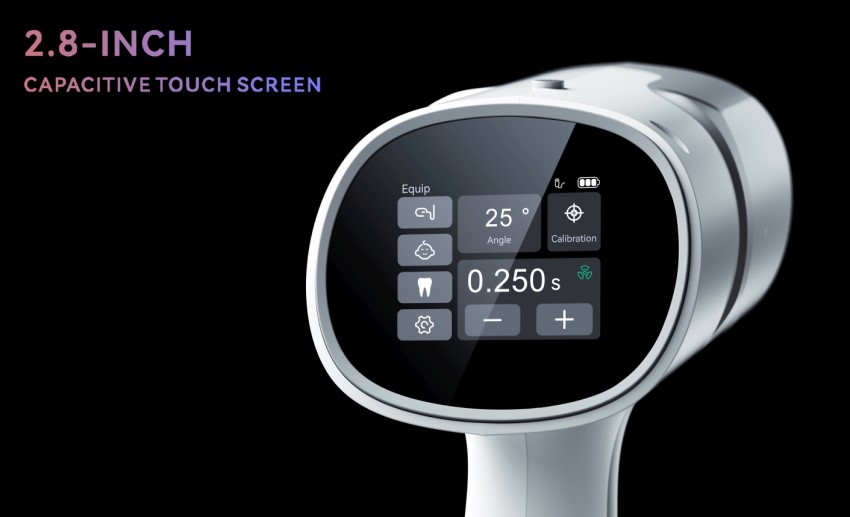
Most startups need digital imaging from the beginning. Your dental office startup equipment checklist example should account for digital X-ray sensors or PSP scanners, an intraoral camera, and the related software and workstation requirements. Depending on the office, it may also include a handheld X-ray unit, wall-mounted unit, panoramic imaging, or CBCT.
The right imaging mix depends on your production goals. A basic general practice may start with intraoral digital imaging and refer out advanced scans. A practice focused on implants, endodontics, oral surgery, or complex diagnosis may justify in-house 3D imaging sooner. That decision comes down to expected case volume, referral patterns, and cash position.
It is tempting to delay imaging upgrades to save money up front, but poor diagnostics can slow case acceptance and create inefficiencies that cost more over time. At the same time, not every startup needs top-tier imaging on day one. The strongest buying strategy is to match technology to your near-term revenue plan, not your long-term wish list.
Mechanical room equipment that keeps the office running
This is where many first-time owners get surprised. Air compressors and vacuum pumps are not glamorous purchases, but they are essential. If these systems are undersized, noisy, or unreliable, the entire office feels it.
Your checklist should include an air compressor, vacuum pump, and any related plumbing or utility requirements based on your number of active operatories. Dry versus wet vacuum setup, noise control, maintenance expectations, and service access all matter. So does future expansion. If you know you will add ops within a year or two, buying a little more capacity now can be smarter than replacing a system early.
This is one of the clearest it-depends decisions in the whole startup process. Oversizing can waste capital. Undersizing can force expensive changes later. A good supplier should help you balance current need with realistic growth, not just sell you the biggest unit on the page.
Procedure-specific equipment to add only when it makes business sense
Not every startup needs every specialty device at launch. Implant motors, electrosurgery units, surgical motors, advanced endo systems, and whitening or cosmetic add-ons should be evaluated based on your actual service mix. If a device supports procedures you will perform consistently and profitably, it may deserve a spot in your opening budget. If not, it can wait.
That is where disciplined purchasing protects your margins. A startup office can look impressive on paper and still be financially overloaded. Equipment should support production, not ego. The best private practices stay lean where they can and invest hard where returns are clear.
A practical startup checklist example by category
Here is a simple way to think about a startup purchase plan for a general dental office opening with three active operatories.
You would typically budget for three operatory chairs with delivery systems and lights, three doctor stools, three assistant stools, handpieces, curing lights, and ultrasonic scalers. In sterilization, you would plan for at least one quality autoclave, instrument cleaning support, and storage workflow. For imaging, you might start with digital X-ray sensors or a PSP scanner, intraoral cameras, and any required X-ray unit setup. In the mechanical room, you would include an air compressor and vacuum pump sized for current use with some room for growth.
Then you add the supporting pieces that often get missed: monitors, mounts, small devices, cabinetry coordination, installation planning, and backup considerations for critical workflows. This is why buying from a supplier that understands the full equipment picture matters. Price matters, and it matters a lot, but price without planning creates expensive mistakes.
How to buy without getting crushed on startup costs
The fastest way to overspend is to accept a bloated package from a large distributor without challenging every line item. Startup owners should compare product categories carefully, ask what is truly essential at opening, and separate must-have equipment from phase-two purchases.
You should also ask direct questions. Is this chair package right for my procedure mix? Is this sterilizer large enough for projected volume? Can this compressor support future operatories? Do I really need this imaging upgrade now, or would another option serve me better for the next 12 to 24 months?
That is where a value-driven supplier can make a real difference. Lion's Dental Supply & Equipment competes hard on price for exactly this reason. Private practices should not have to overpay for trusted dental equipment just because the major distributors set the tone. If you can save 15% to 70% in the right categories and still get dependable support, that changes your startup math in a big way.
Final thought
The best startup checklist is not the longest one. It is the one that gets your doors open, your team working efficiently, and your production growing without burying the practice in unnecessary equipment debt. Buy what your office needs to perform now, leave room to scale, and be aggressive about protecting your margins from the start.