A cheap operatory setup that slows your team down will cost you more than a premium system that keeps patients moving and procedures on schedule. That is the real issue behind how to choose dental operatory equipment. This is not just a product decision. It is a production, comfort, maintenance, and cash flow decision that will affect your practice every day.
For startup dentists, every dollar matters. For established practices, downtime and inefficiency are even more expensive than the invoice. The right equipment should support clinical outcomes, fit your workflow, hold up under daily use, and make financial sense. The wrong setup looks fine on paper but creates bottlenecks, repair headaches, and replacement costs you did not plan for.
How to choose dental operatory equipment without overspending
The first mistake many buyers make is shopping by headline price alone. The second is paying big-distributor pricing for equipment that can be sourced more competitively. Smart buyers look at total value - purchase price, serviceability, expected lifespan, parts availability, training needs, and how well the equipment fits the way the office actually works.
Start with the operatory as a system, not a pile of separate products. Your chair, delivery unit, light, stooling, imaging, suction, and compressor support all affect each other. If one piece is mismatched, the whole room feels slower and less ergonomic. A practice doing mostly restorative and hygiene has different needs than one focused on oral surgery, endo, or implants. That sounds obvious, but plenty of offices still buy generalized equipment packages and then discover they need upgrades almost immediately.
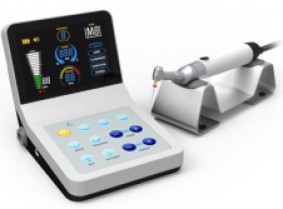
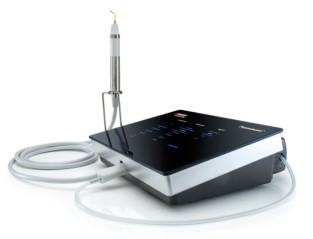
A better approach is to map equipment choices to procedure mix. If you place implants regularly, your operatory may need stronger integration with imaging, surgical delivery preferences, and procedure-specific devices such as implant motors. If you do a high volume of restorative work, chair positioning, light quality, curing efficiency, and handpiece delivery become more important than flashy add-ons. If hygiene is a major production center, ultrasonic scaling compatibility, room turnover, and patient comfort deserve more attention.
Start with procedure mix and room workflow
Before comparing brands or features, look at your daily flow. How many patients move through the room? How often do providers alternate? Are you right-handed, left-handed, or outfitting for both? Does the assistant need easy access from multiple angles? Are you trying to maximize a compact footprint or build a more premium patient experience?
These questions matter because the best operatory equipment is not always the most expensive. It is the equipment that fits your room dimensions, treatment style, and staff habits. A sleek chair with the wrong range of motion can be a poor choice. A delivery system with more positions and simpler access may be more valuable than a model with features your team will never use.
Pay close attention to ergonomics. Back strain, awkward assistant reach, and cramped positioning do not stay minor annoyances for long. They become productivity losses and staffing frustrations. Equipment that improves posture, instrument access, and patient positioning has a direct operational payoff.
Choose the chair and delivery system first
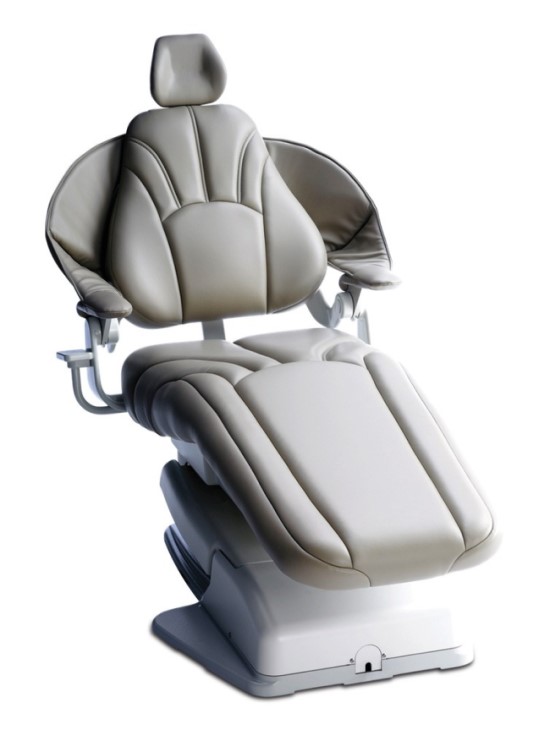
The chair is the anchor of the operatory. If it is uncomfortable, unreliable, or poorly sized for your patient base, everything else suffers. Look for dependable movement, smooth positioning, easy entry and exit, and upholstery that can handle heavy daily use. Comfort matters for patients, but so does stability during treatment.
The delivery system should match how the doctor works, not force the doctor to adapt. Over-the-patient, side delivery, and rear delivery all have trade-offs. Over-the-patient setups can be efficient in some general practice environments. Side delivery can improve accessibility and simplify handpiece management. Rear delivery may help keep the room cleaner visually and support assistant-driven workflow. There is no universal winner. It depends on operatory size, provider preference, and procedure style.
If you are building multiple operatories, consistency matters. Standardizing room layout reduces staff confusion, training time, and maintenance complexity. It also makes scaling easier when the practice grows.
Do not treat lighting, imaging, and support equipment as afterthoughts
Practices often spend heavily on the chair package, then try to cut corners on supporting equipment. That usually backfires. An excellent chair does not make up for poor lighting, weak suction, or outdated imaging.
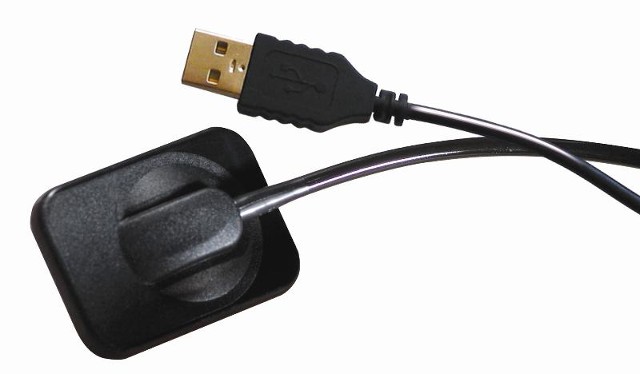
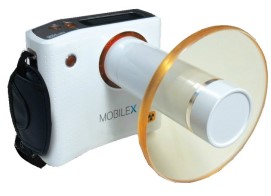
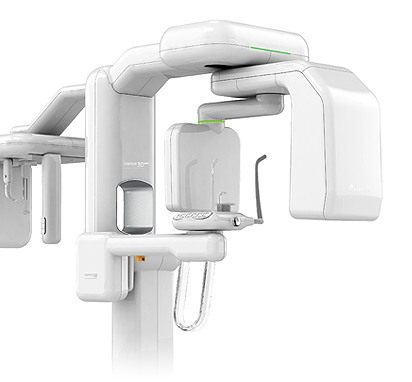
Your operatory light should deliver clear illumination, easy positioning, and dependable output without creating excessive heat. Imaging equipment should fit your diagnostic volume and treatment model. Digital X-ray sensors, handheld X-ray units, intraoral cameras, and PSP systems each serve different workflows and budgets. A sensor may offer speed and efficiency, but a PSP system may make more sense for certain offices balancing image quality, flexibility, and upfront cost.
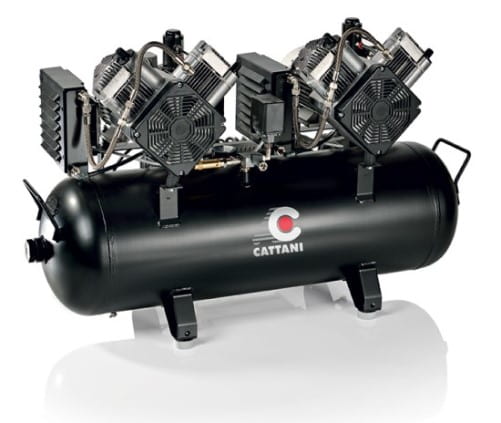
Support equipment deserves the same scrutiny. Air compressors and vacuum pumps are not glamorous purchases, but they directly affect daily reliability. If those systems are undersized or inconsistent, the whole practice feels it. Buying the wrong support equipment to save money upfront is one of the fastest ways to create expensive frustration later.
How to compare features without paying for fluff
Manufacturers love feature lists. Buyers need performance. That is the filter.
Ask whether a feature improves speed, comfort, clinical precision, infection control, or equipment longevity. If it does not, it may be marketing more than value. A touchscreen interface sounds impressive, but if your team prefers simpler controls and easier servicing, the flashy option may not be the smart buy.
This is where experienced guidance matters. A family-owned supplier that understands private practice economics can help separate genuinely useful upgrades from expensive extras. Lion's Dental Supply & Equipment, for example, is built around that exact value proposition - quality name-brand equipment, aggressive pricing, and practical help for offices that do not want to overpay national distributors.
Brand reputation still matters, especially for core equipment categories. Established manufacturers often offer better parts availability, more predictable performance, and stronger resale value. But even trusted brands have product lines that differ widely on features and cost. The best choice is often a solid mid-tier unit from a proven brand rather than the flagship model with every option included.
Budget for ownership, not just purchase price
If you want a real answer to how to choose dental operatory equipment, look beyond the quote. Consider installation, training, maintenance, replacement parts, warranty terms, and how long the equipment is expected to stay in service.
A lower upfront price can be a great move if the unit is reliable and supported. It becomes a bad move if service calls pile up or downtime interrupts production. On the other hand, paying top dollar does not guarantee a better outcome if you are buying features your practice does not need.
For startups, cash preservation is critical, but so is avoiding false economy. Prioritize the equipment that directly affects treatment capacity and daily workflow. You can often phase in secondary upgrades later. For established practices replacing aging units, compare the cost of repair, lost production, and staff workarounds against the cost of replacement. Sometimes holding onto an old operatory for another year is sensible. Sometimes it is quietly draining revenue every week.
Think about service, parts, and future expansion
Every equipment sale looks good on delivery day. The real test comes later. Can you get parts without a fight? Is technical support responsive? Will the model still be practical if you add operatories, bring in an associate, or expand procedures?
This is where buying from a responsive supplier can matter as much as the equipment itself. Private practices need straight answers, realistic lead times, and support from people who understand what a down room costs. Big corporate distributors are not the only option, and they are often not the best value.
Try to future-proof where it counts. If you expect to add imaging, specialty procedures, or more provider capacity, choose equipment that will not box you in six months from now. That does not mean overbuying. It means avoiding a setup that cannot grow with the practice.
The smartest operatory purchase is the one that fits your practice
There is no single best operatory package for every office. A fee-for-service cosmetic practice, a busy PPO-driven general office, and a specialty surgical clinic should not buy the same room. The smartest purchase matches clinical needs, workflow, room design, and budget without giving away margin to overpriced channels.
When you evaluate dental chairs, delivery units, imaging systems, compressors, vacuums, curing lights, scalers, and other operatory essentials through that lens, the decision gets clearer. Buy for efficiency. Buy for reliability. Buy from people who respect your budget. And if a supplier cannot explain why a product fits your practice better than a more expensive alternative, keep shopping.
Good operatory equipment does more than fill a room. It helps your team work faster, your patients feel more comfortable, and your practice keep more of what it earns.